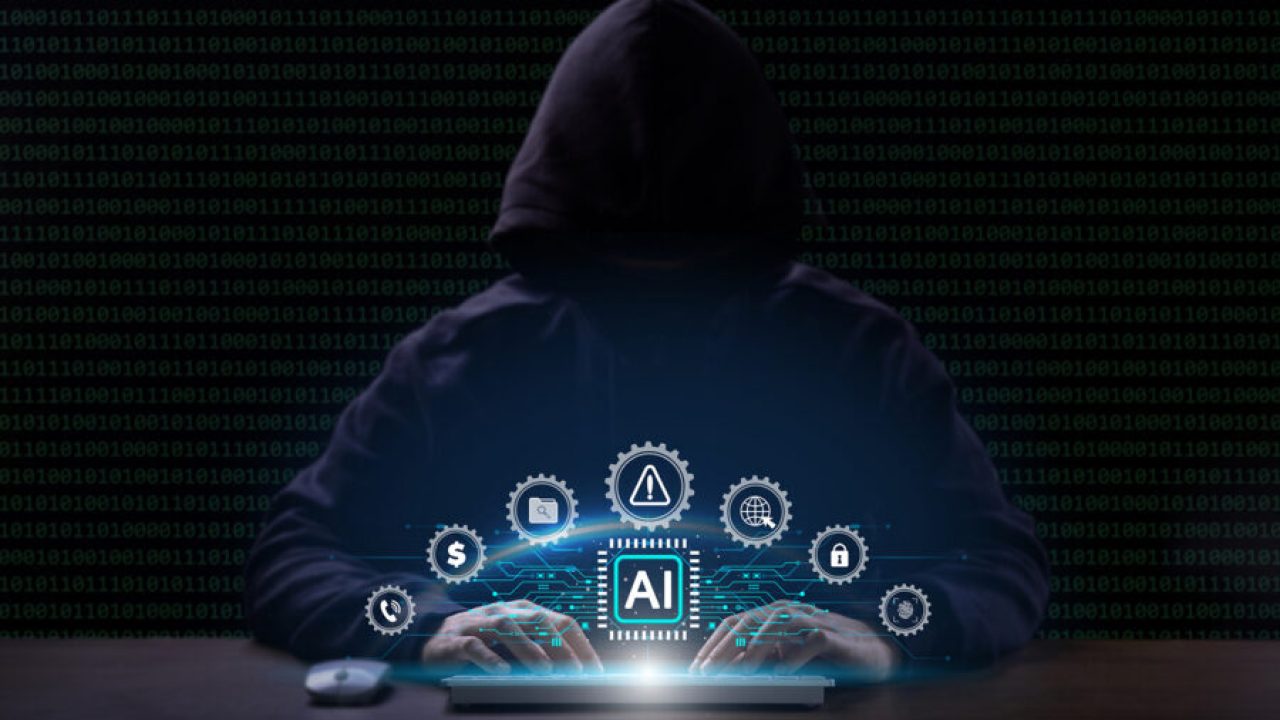
Generative artificial intelligence (AI) has arrived to change the way we interact with technology, optimizing processes and boosting creativity. But this revolution has a dark side: cybercriminals have found in AI an ally to refine their attacks, making them more effective and dangerous. In 2025, the combination of AI and cyberattacks will be one of the greatest threats to digital security.
Smarter phishing that is harder to detect
One of the greatest dangers we will see this year is the rise of ‘spear phishing’, a far more personalized and sophisticated version of traditional phishing. Thanks to AI, attackers can gather specific information about their victims, generate credible emails and messages, and even imitate the tone and communication style of trusted people. That makes it increasingly hard to tell a legitimate message from a fraudulent one.
In the past, phishing emails often had obvious spelling and grammar mistakes, but today, with generative AI, attackers can craft flawless messages with impeccable structure, trapping even experienced users. Criminals can also use deepfakes to fake executive video calls or audio, further increasing the effectiveness of these scams.
The automation and personalization of these attacks will raise their success rate, putting not only individuals at risk but also large corporations and government agencies. Many data breaches start with a simple deceptive email sent to a careless employee.
More aggressive and targeted ransomware
Another alarming trend is the evolution of ransomware. In the past, cybercriminals simply locked access to a company’s data and demanded a ransom. Now their strategies have become more aggressive and targeted. In 2025, we will see more attacks on senior executives, aimed not only at disrupting company operations but also at damaging leaders’ personal reputations.
The ‘double extortion’ tactic will grow stronger: if the company refuses to pay, attackers will threaten to leak stolen data to partners and suppliers, amplifying the damage. Organizations will face a hard choice: pay to avoid the leak or absorb the reputational cost of the data breach.
A new attack model is also gaining ground: ‘ransomware-as-a-service’. In this scheme, anyone without advanced cybersecurity knowledge can buy ransomware kits on the dark web and launch their own attacks. That expands the number of malicious actors in the digital landscape, making any company — regardless of size — a potential target.
AI as a defense tool
But not everything is negative. Just as attackers leverage AI, companies can also use it as a powerful defense tool. Today, AI can detect threats in real time, analyze suspicious patterns, and anticipate possible attacks.
AI-based cybersecurity systems can identify anomalous network activity before it becomes a larger problem. Automation also plays a key role: advanced tools can act immediately, blocking suspicious connections and preventing malware from spreading without human intervention.
Despite these advances, many organizations are still unprepared. Despite technological progress, investment in cybersecurity remains insufficient. It is common to see companies that still rely on reactive measures instead of adopting proactive strategies. The current landscape demands a mindset shift: digital security is not an expense; it is an investment in business continuity.
The impact of geopolitical tensions
Another factor we cannot ignore is the impact of geopolitical tensions. In 2024, the most attacked sectors were public administration, industry, and healthcare, but in 2025 cyberattacks driven by conflicts between countries and ideological differences are expected to rise.
Companies operating in strategic markets will need to be especially alert, as they may become targets of cyberattacks with political or economic motives. We have already seen state-sponsored hacker groups attack critical infrastructure, banks, and tech companies in different countries. This not only affects nations’ economic stability but can also compromise sensitive data belonging to millions of citizens.
In this context, international collaboration will be key. Governments and companies will need to share threat intelligence and work together to strengthen their defenses. An attack on a country or company can have global repercussions, and the only way to fight this growing threat is with joint, coordinated strategies.
In conclusion, the question we must ask ourselves is not whether we will be attacked, but when — and how we will protect ourselves. In this new scenario, the key will be combining technology with education. It is not enough to deploy advanced security tools; it is also essential to train employees so they can recognize fraud attempts and act quickly when something looks wrong.
We are at a turning point in cybersecurity. Artificial intelligence can be our greatest ally or our worst enemy, depending on how we use it. If we do not take action now, we will soon be fighting a much larger and harder-to-contain threat.
Attacks evolve, and companies must evolve with them. It is time to act, invest in security, raise team awareness, and strengthen our digital infrastructure. Cybersecurity is no longer a luxury or an option; it is an urgent necessity that will shape the future of companies and user privacy in the digital world.