
Human risk
management platform
Training everyone the same way doesn't reduce risk. A human risk management platform manages who is exposed, not who completed a course.
Whalemate identifies who concentrates exposure, intervenes with precision and measures real behavioral change.
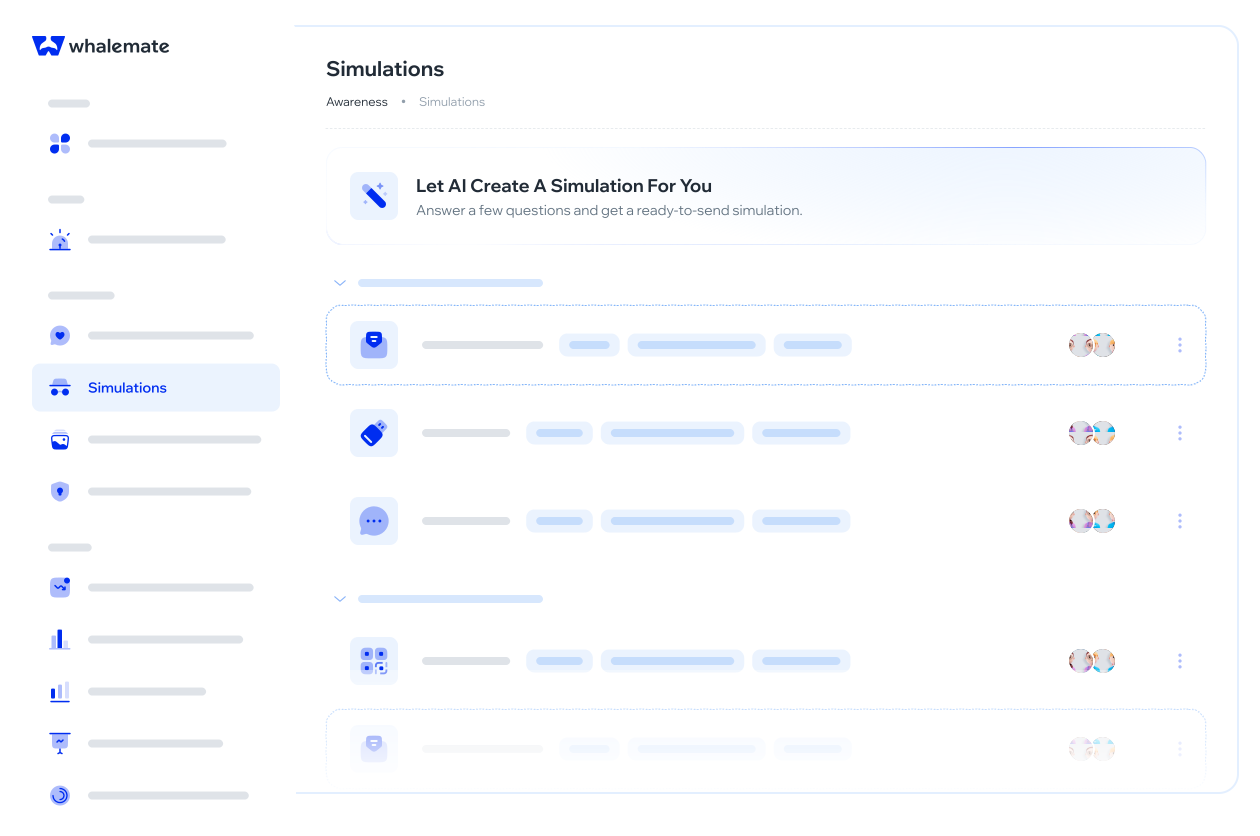
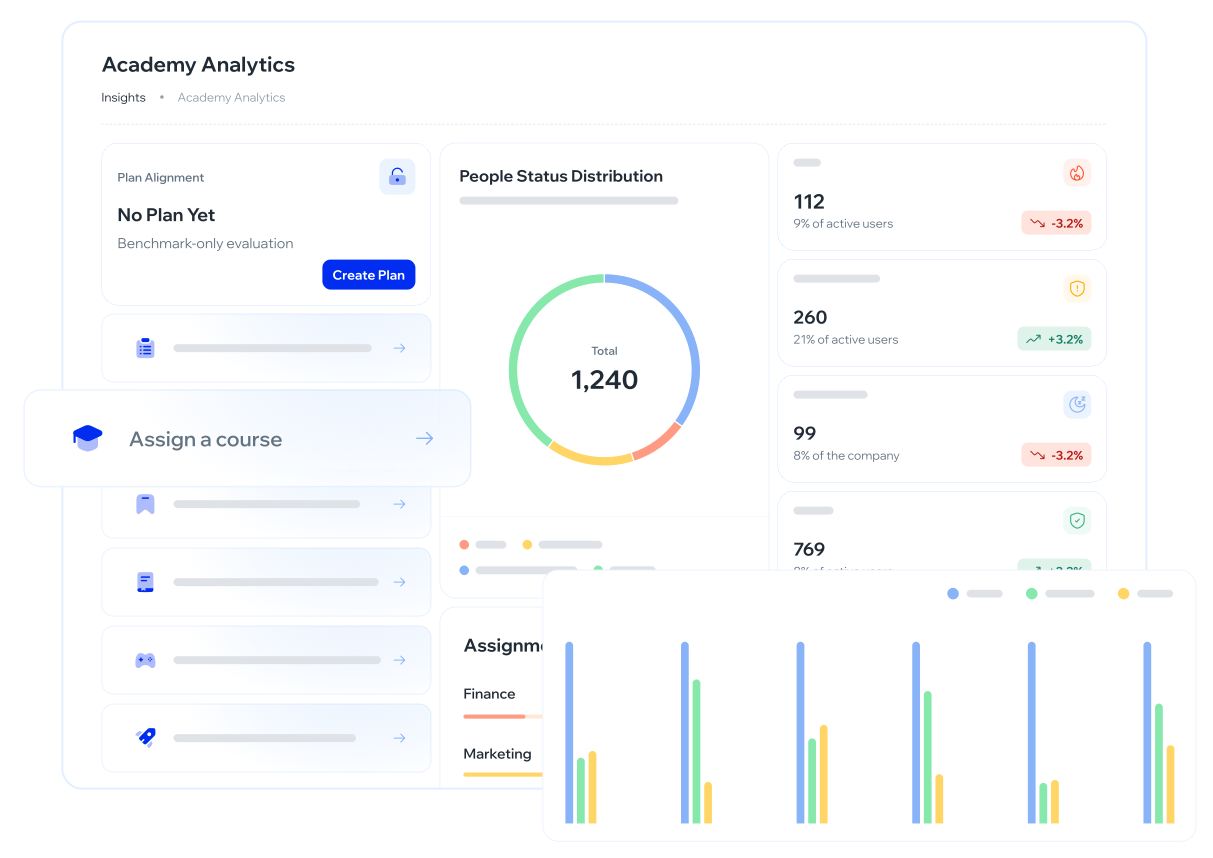
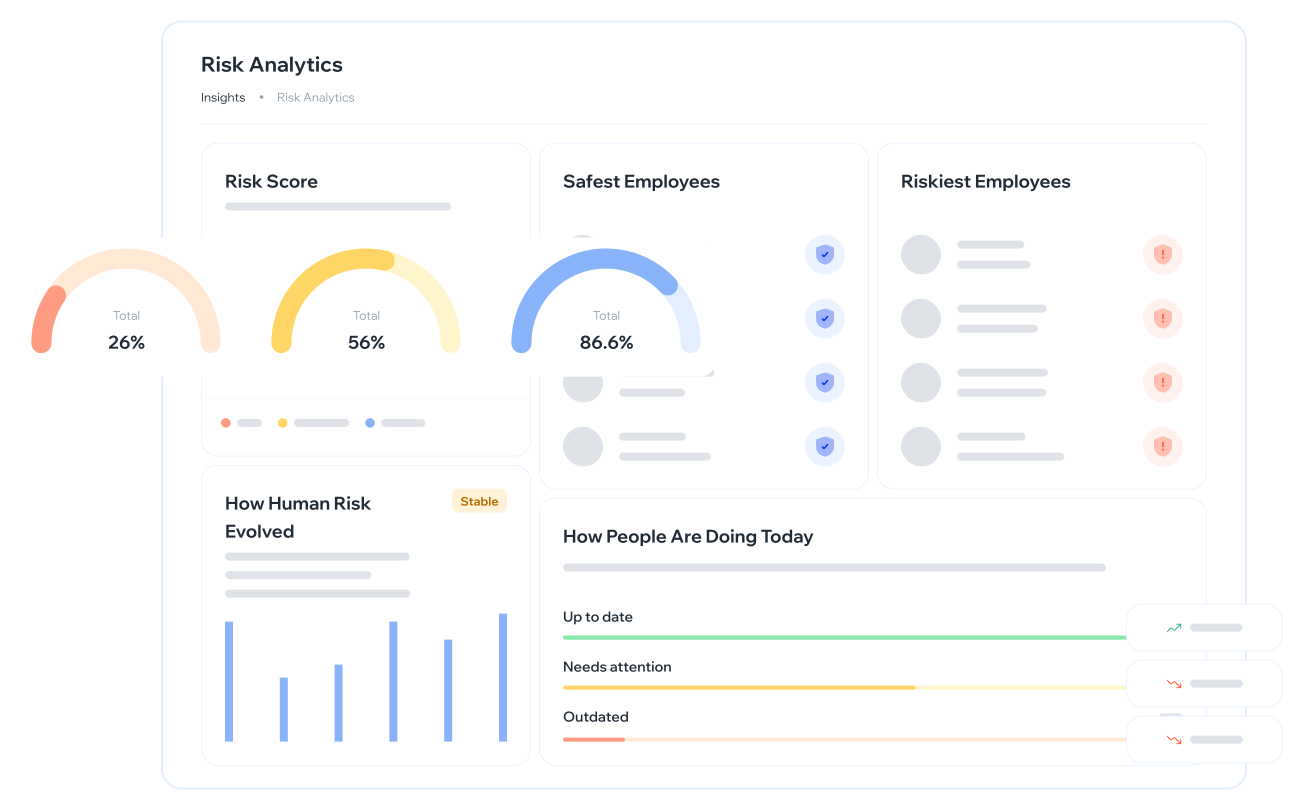
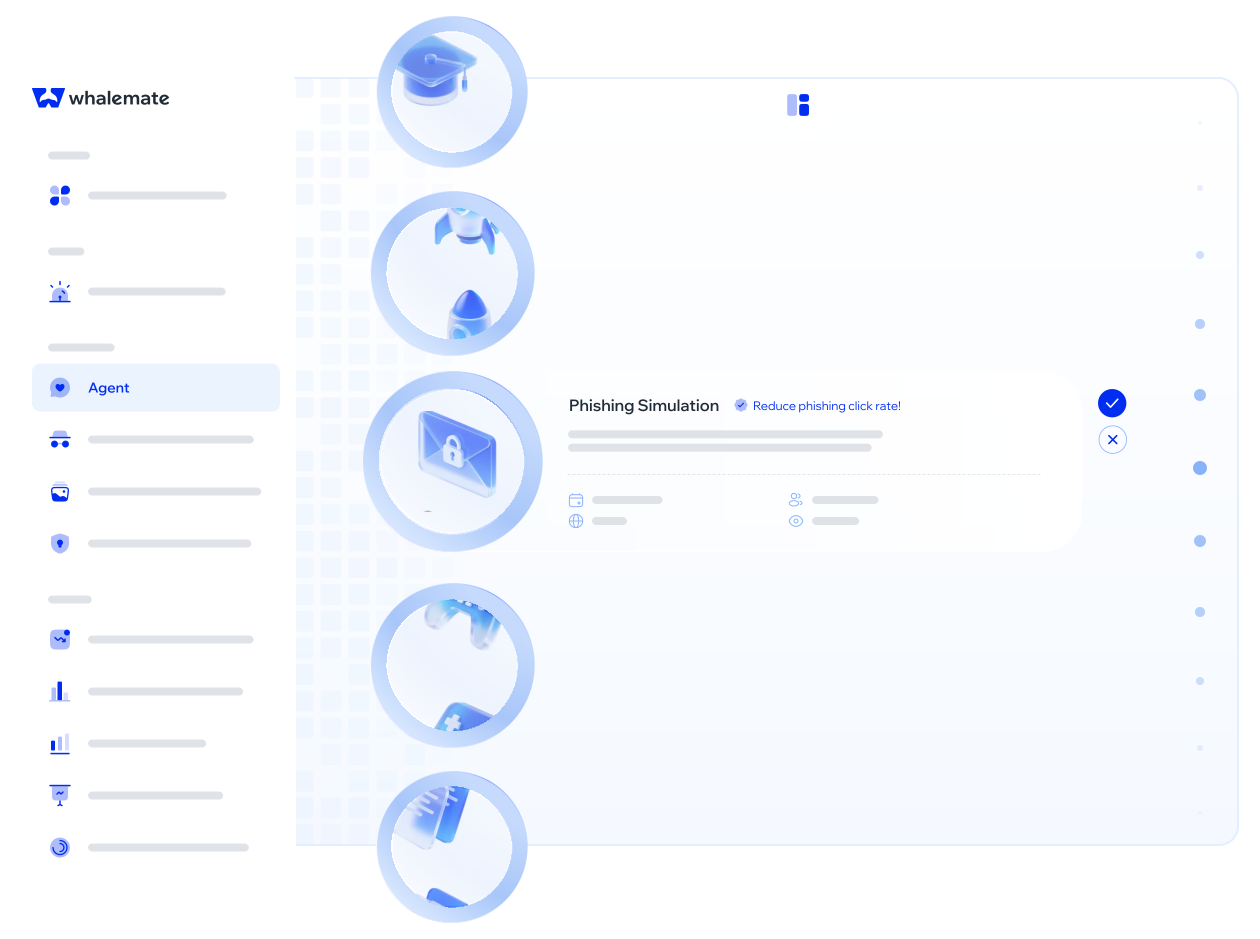
Four integrated modules.
Un one program.
Awareness agent
The intelligence that coordinates the program.
Analyzes each user's behavior in real time Adjusts channel, difficulty and frequency of each simulation by profile Adapts training based on observed risk Anticipates vulnerabilities before they escalate Generates actionable recommendations for the security team
Local depth. Global reach.
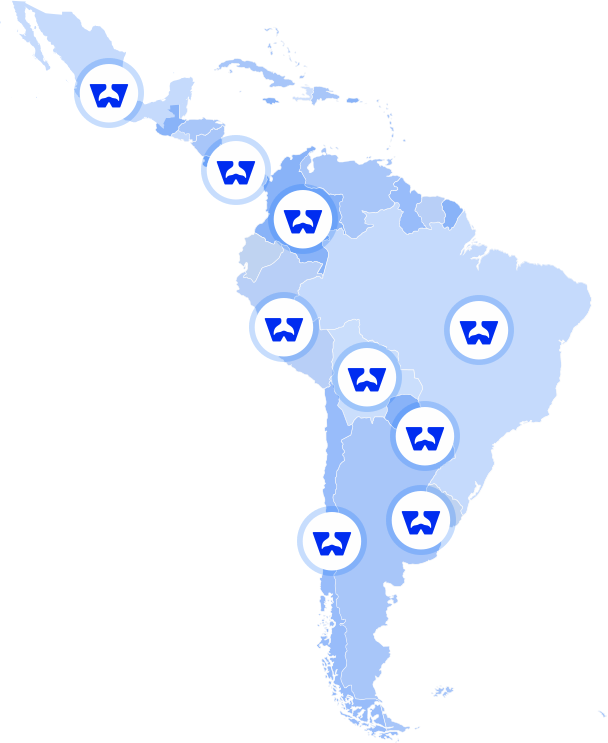
Whalemate was born in LATAM and operates in the region with local depth: content, simulations, and scenarios adapted to the region's attack vectors, digital habits, and regulatory frameworks.
Argentina Bolivia Brasil Chile Colombia Paraguay Perú Panamá Costa Rica México Uruguay EEUU
A Human Risk Management program, not four loose products
Simulations, training, analytics and the agent share the roster, data governance and the evidence an auditor asks for. Module detail lives on each product page.
Whalemate does not sell an annual course with a PDF certificate or a standalone phishing simulator. It runs Human Risk Management: simulate the gesture, train when behaviour asks for it, measure who concentrates risk, and leave exportable evidence. Treasury does not get the same lure as a branch. The Agent uses the program’s rules; it does not blast to inflate a cover click rate. What leadership or audit wants to see lives in analytics and the Trust Center, not on an invented “industry average” slide.
The four modules — advanced simulations, adaptive training, human-risk analytics and the awareness agent — are not independent SKUs. They share the roster, the person’s language and the data-use limit. ISO/IEC 27001:2022 is in place. SOC 2 is not. No agent on the endpoint. Residency and subprocessors are agreed in the DPA. Published stories live under cases; if a story is not there, we do not tell it here under a pseudonym.
The demo is thirty minutes on your IdP and your context. Price is quoted: Pricing describes Smart, Growth and Enterprise and the service layers. If an RFP asks for “platform + operations + unlimited deepfake,” it is taken apart into product, managed layer and professional services. Smishing, vishing, USB, 2FA and deepfake when they are not native to the plan live under services, not in the campaign builder.
If you are comparing global catalogs such as KnowBe4, the awareness platform alternatives index ranks the contrast by object of management, not by brochure.
Program capabilities
Smart groups
Segmentation from behaviour, not a static org chart. The team that gets the most lures is not always the one with the most risk. Intervene without building lists by hand.
Manual groups and risk by group
When the directory is not enough — a project, a batch that must not be simulated — the group is built by hand and risk is read on that cut.
Brand setup and custom URL
Visual identity and account URL so the program looks in-house: portal, mail, and assets in the organization’s tone.
Frequently asked questions about the platform
See the platform in action
Discover how Whalemate identifies the highest-exposure profiles and intervenes
with precision to produce real behavioral change.