
Real case studies,
in cybersecurity awareness
These stories document what changes when an awareness program stops being measured by attendance and starts being managed as risk: realistic simulations, training that adapts to behavior, and dashboards a CISO can take to the board and to audit. They are banks, fintechs and logistics teams in LATAM that needed regional closeness, localized content and a way to prioritize interventions — not a global course catalog. Each story covers the challenge, the approach and the measurable result.
From training to managing risk
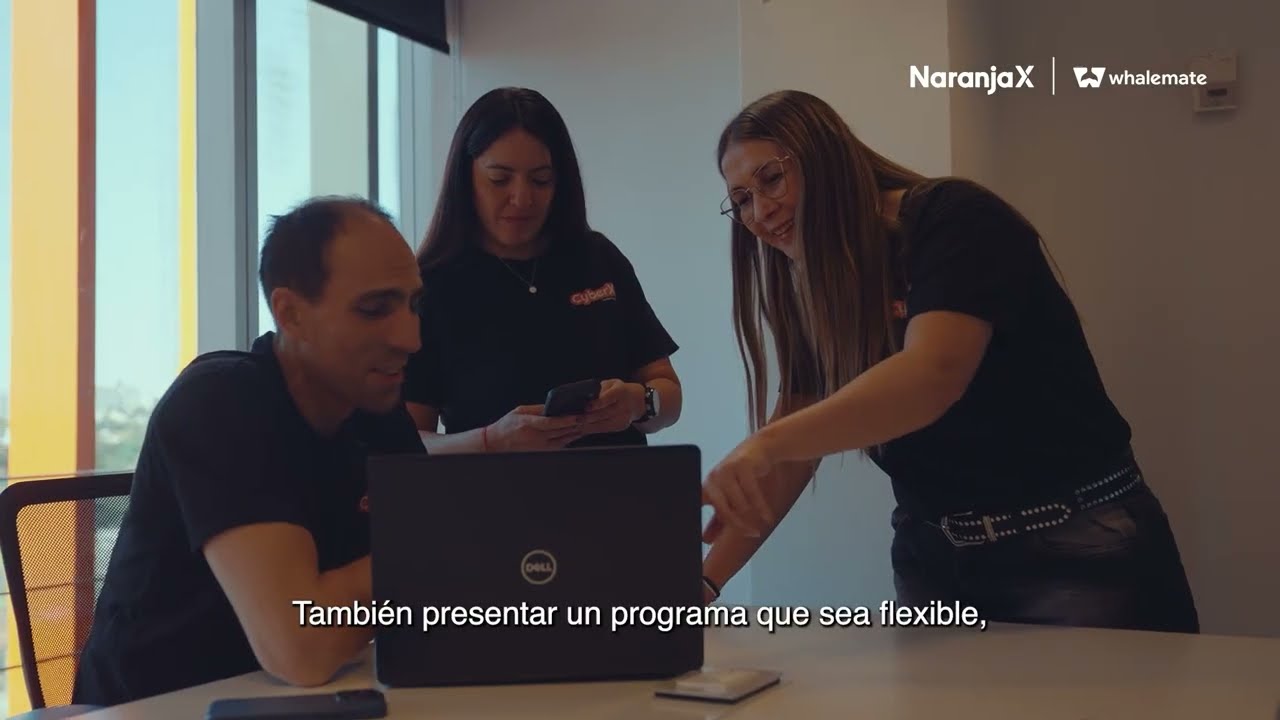
With more than 3,000 employees, NaranjaX replaced generic campaigns with a program that measures each area's exposure, runs realistic simulations and sets a clear rule for when to step in. Its security team now reports real risk, not completed courses.
How Banco del Sol adopted human risk management with a local identity
A financial institution with more than 500 employees needed to leave behind global content that did not connect with its people. In Whalemate they found regional closeness, simulations and training in the language and channels the organization actually uses, and a way to bring cybersecurity into day-to-day work — not an annual course forgotten a week later.

How GDL Logística turned human risk into a measurable indicator
A logistics company with more than 1,000 employees needed visibility into real user behavior — not just who finished a course. With Whalemate they measured human risk, trained against that exposure, and started backing security investment decisions with data, from operations to the board.

Narratives validated by each customer, with their own indicators
We publish a case when the customer approves the narrative. Each one tells what was measured, what changed and what comes next, with the indicators the organization agreed to share.
A Whalemate case is the story of how an organization moved from a program that did not serve them to one they can operate: roster, simulations or content, and a different conversation with leadership. NaranjaX, Banco del Sol, and GDL Logística tell that journey with their context, their decisions and their own words.
We measure behavior, not attendance: content adoption, simulation habit, the ability to justify investment to leadership. In each case you will find the starting problem, why they chose Whalemate, how they use it and what comes next. When there is a number, it is one the customer validated.
Pick the story closest to your situation and read it to understand the approach, not to copy a KPI: your roster, IdP and culture are different. If you want to see how it would look in your organization, the demo walks your case in thirty minutes.
Questions about the cases
Want a program like this for your organization?
We'll show you how Whalemate adapts to your industry, user population and awareness maturity: simulations, adaptive training and human-risk analytics, with a concrete plan for your organization in LATAM.