
Security awareness for healthcare institutions
Clinics and health plans need a program that doesn't depend on getting everyone in one room, and that covers the staff who handle health data.
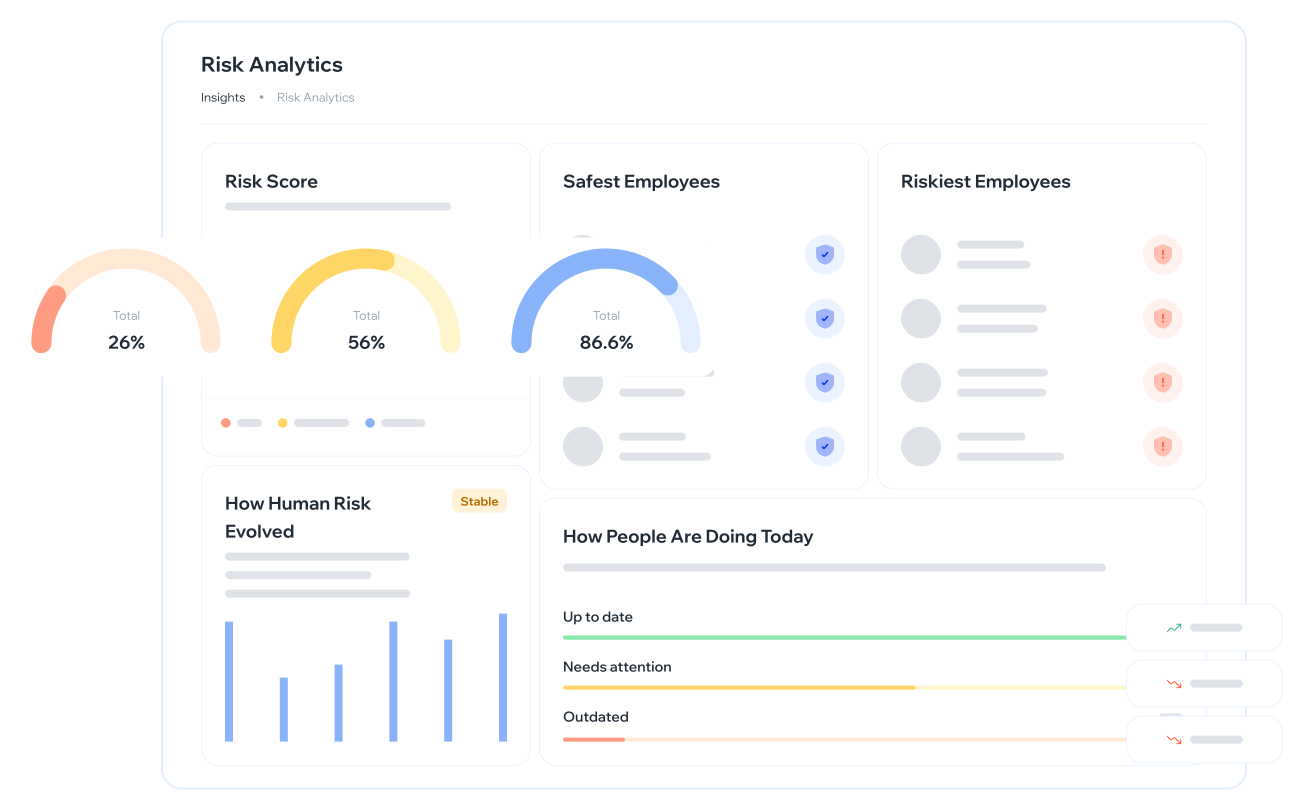
Where to focus the program
Minutes-long micro-learning, not a full-day session the night shift can't attend.
Prescriptions, appointments, lab results, supply vendors.
New hires and departures sync with the directory: on-call staff aren't left out.
References that guide the program
The exact scope depends on the jurisdiction and the controls that apply to each organization.
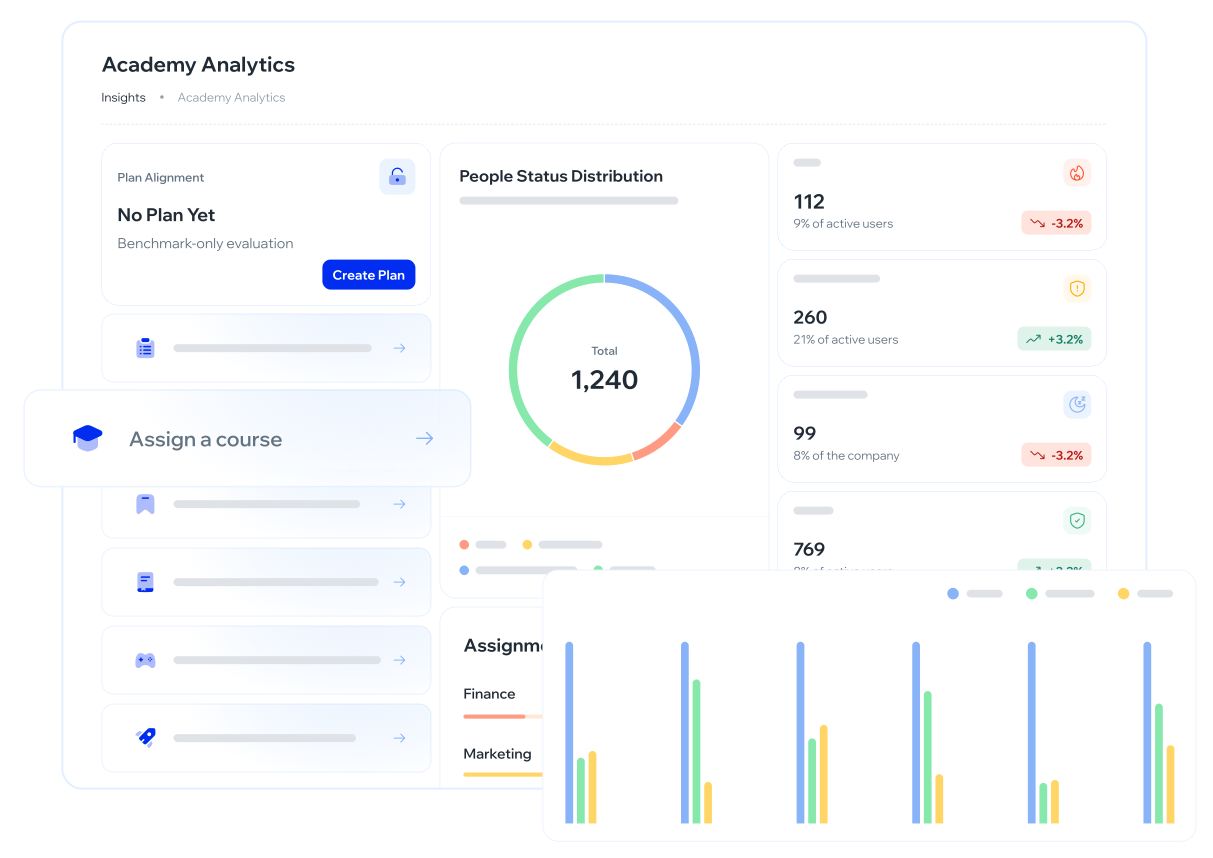
Evidence from real customers
See how organizations across the region measured and reduced human risk with Whalemate.
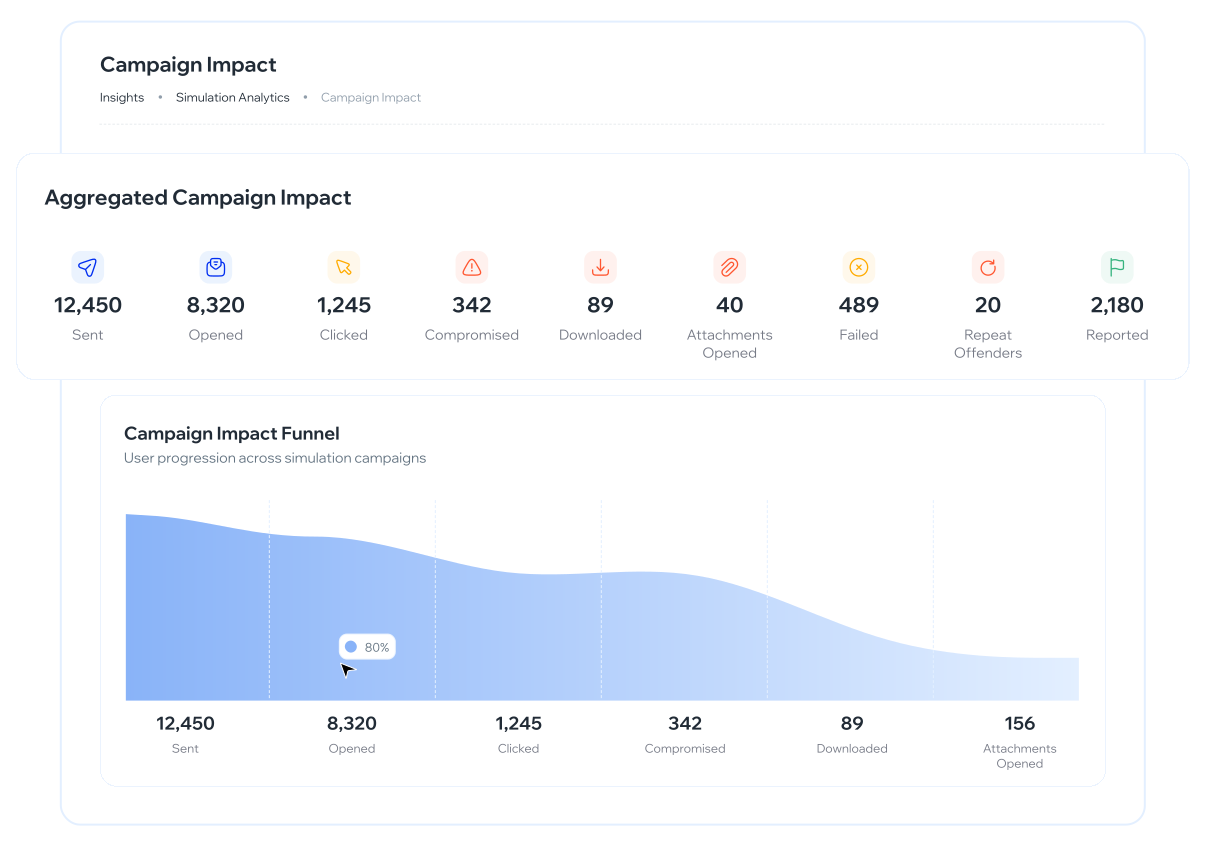
Rotating shifts, clinical data, and phishing that poses as a lab
Clinics and health plans need a program that does not depend on getting everyone in one room, and that covers whoever handles health data.
The lure arrives dressed as a lab result, an appointment, a prescription, or a supply vendor. Whoever is on call opens it between one patient and the next. The night shift does not attend Thursday’s awareness day. A two-hour LMS is, for that operation, a control on paper. The program has to be truly asynchronous: minutes, in the flow, with reinforcement when behavior asks for it. Not a single video for the whole clinic.
Admissions, nursing, physicians, the health-plan call center, and whoever buys supplies are exposed. So is contractor staff that enters and leaves the roster. On-call joiners cannot be left out because “they missed this month’s course.” The directory has to push the joiner. People and the teaching or quality area usually share the program with security: one owns the roster, one the rules, one the evidence for licensing or internal audit.
The auditor and the health-data owner want to see that staff who handle clinical information received training on phishing and social engineering. ISO 27001 asks for the control. Health-data rules and LGPD ask for treatment that can be demonstrated. The report exports period and coverage. It does not replace consent or the medical record. It stops the awareness folder being an attendance list for a talk 30% of the roster could not attend.
Three lures a clinic has already received
If the campaign does not look like a result or a vendor, staff either ignore it or treat it as an obvious drill.
Lab or health-plan phishing
An email that looks like a result, an authorization, or a membership file. Clinical staff are trained to open and act. The simulation uses that disguise carefully: it is an exercise, not a clinical…
Prescriptions, appointments, and results
Links that mimic the schedule, e-prescribing, or the results portal. The vector exploits clinic urgency. Follow-up micro-learning lasts minutes, not a full day. The night shift can do it when they…
Supply vendors and ransomware
Procurement and pharmacy receive quote PDFs and dispatch notices. That is where the attachment comes in. The campaign works that flow. The program is not an EDR or a contingency plan. It is the habit…
Questions about healthcare
Other industries
Healthcare — Security awareness and human risk
The program calibrates the same way. We'll show you in the demo.