
Security awareness for retail
Retail concentrates risk at the register, in warehouses and across franchises. Native QRishing and automatic onboarding matter more than a corporate LMS.
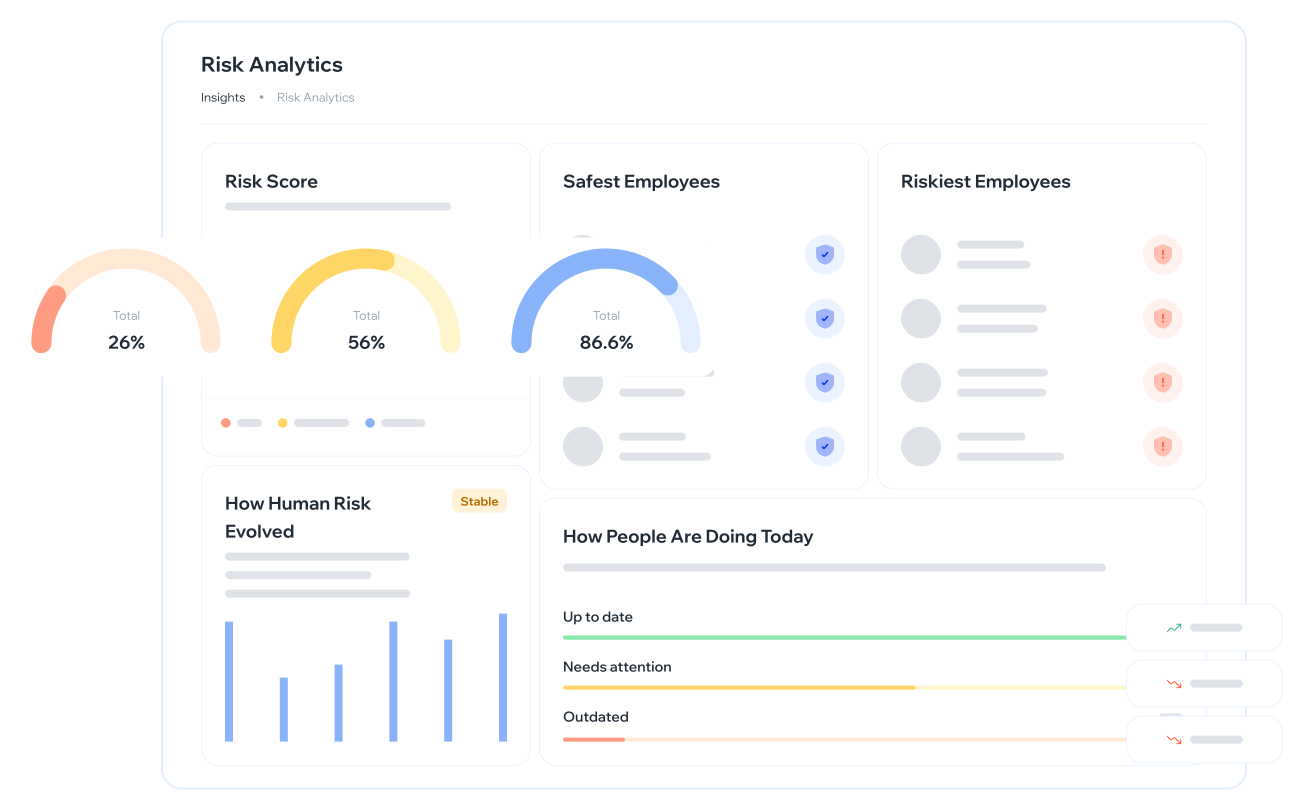
Where to focus the program
The native channel the sales floor actually sees. Not a PDF about QR codes sent by email.
SCIM and directory sync: new hires enter the program the day they start working.
Awareness evidence specific to phishing and social engineering, exactly what 12.6 asks for.
References that guide the program
The exact scope depends on the jurisdiction and the controls that apply to each organization.
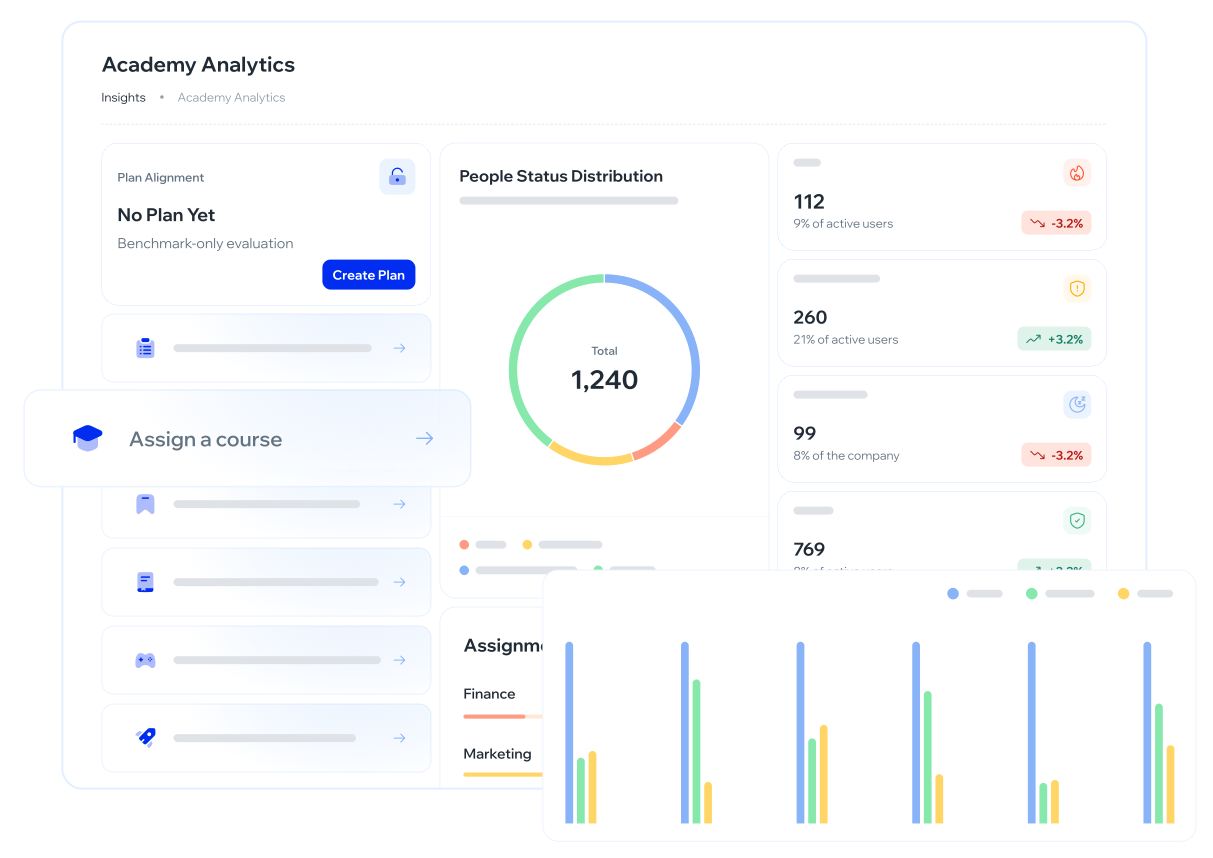
Evidence from real customers
See how organizations across the region measured and reduced human risk with Whalemate.
Stores, QR codes on the floor, and turnover that kills induction
Retail concentrates risk at the register, in warehouses, and across franchises. Native QRishing and automatic joiners matter more than a corporate LMS.
The lure in a store does not only reach headquarters Outlook. It is a QR stuck on a display, an SMS that “the warehouse moved the shift,” a franchise email asking to update register data. Whoever is serving will not finish a two-hour course between customers. The program has to fit in minutes and reach the channel that person actually sees. If the only asset is a PDF about QR codes sent by email, the sales floor was not trained.
Cashiers, store managers, warehouses, and franchise staff who rotate are exposed. Day-one induction is stale in a week if the joiner never enters the program. SCIM and directory are not an IT luxury: they are the only way the control survives turnover. People and operations need coverage by store. Security has to be able to simulate QRishing for real — not describe the vector on a slide.
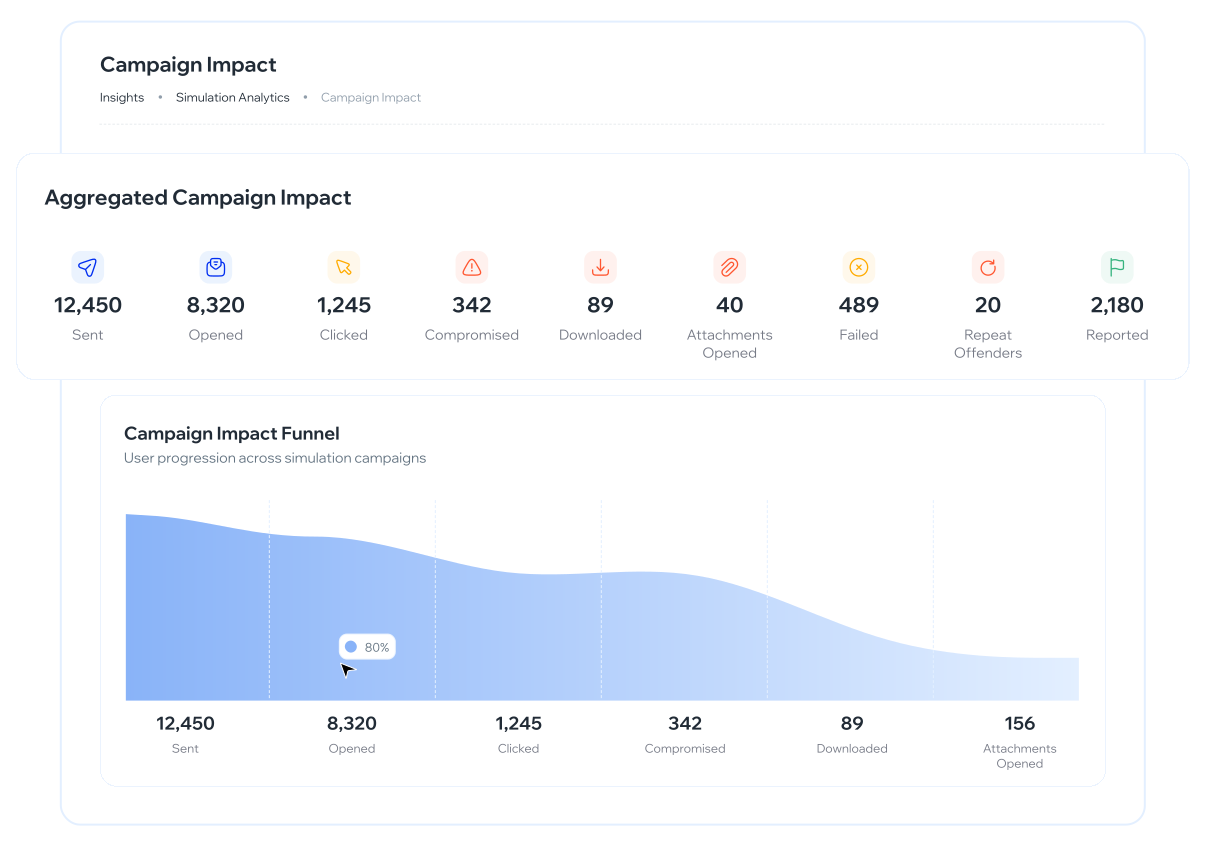
PCI DSS 12.6 asks for awareness specific to phishing and social engineering for whoever touches payments. ISO 27001 asks for the training control. Customer data — cards, invoices, loyalty — is why the auditor shows up. The report exports the period. It does not turn Whalemate into a QSA. It stops register evidence being an attendance list for e-learning the store could not complete.
Three attacks the sales floor has already seen
If the channel is not the store’s, the campaign measures headquarters and nothing else.
QRishing in the store
Codes on displays, in the warehouse, or on a “climate survey” poster. Floor staff are trained to scan. The simulation uses that channel for real. A PDF about QR codes does not replace the gesture…
Franchise and register phishing
Emails that mimic register close, a corporate discount, or a franchise portal. Whoever opens is in a hurry on a shared machine. The campaign is calibrated to that role. Evidence can be cut by store…
Smishing to warehouses and shifts
SMS about a shift change, a shipment, or a “manager” asking for a top-up. The warehouse lives on the phone. The simulations module covers smishing when program scope includes it; channel detail is on…
Questions about retail
Other industries
Retail — Security awareness and human risk
The program calibrates the same way. We'll show you in the demo.