
Security awareness for insurers
An insurer can't train the person who settles claims the same way as the one who sells over the phone. Human risk concentrates on whoever touches policyholder data and payments.
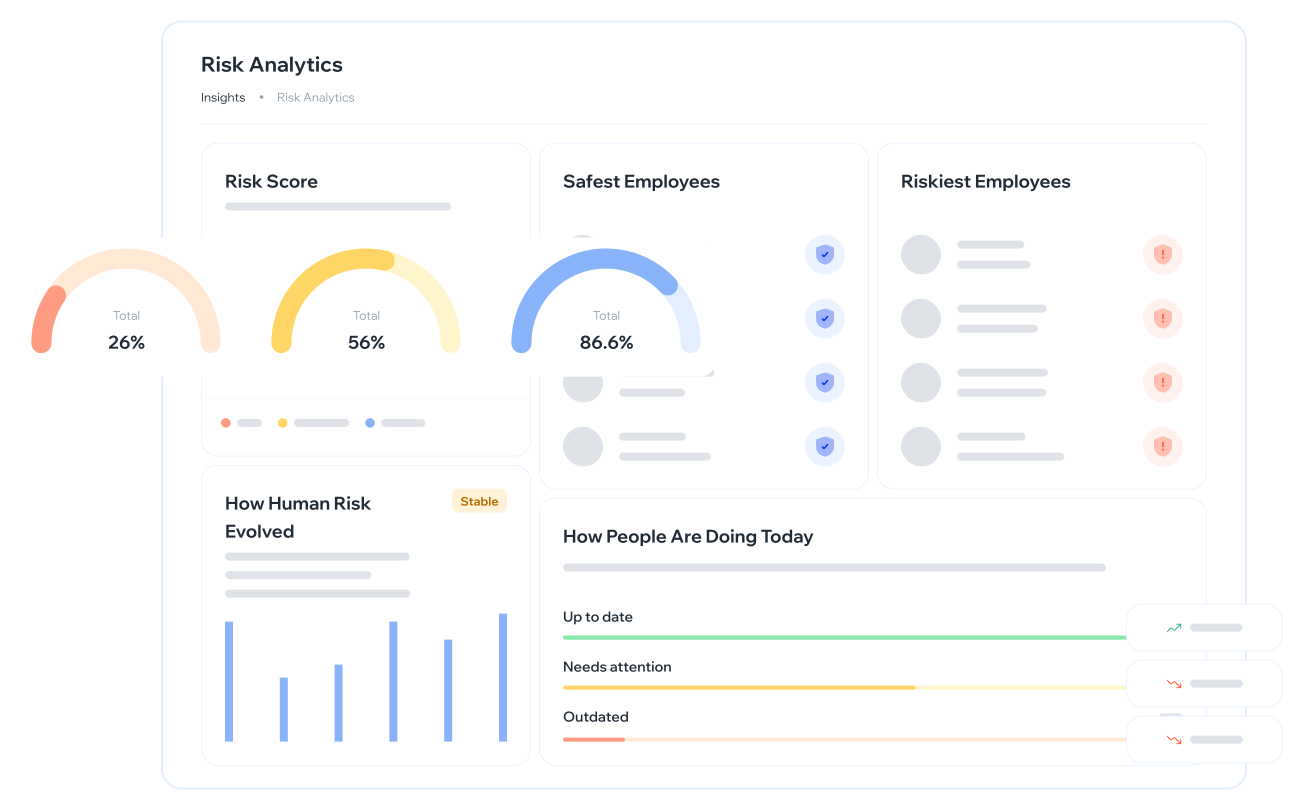
Where to focus the program
Agents, brokers and in-house staff in a single program, with separable evidence.
Lures that mimic claims, adjusters and payouts: the vector insurers already see in real incidents.
A documented human risk index carries more weight than a 40-minute course certificate.
References that guide the program
The exact scope depends on the jurisdiction and the controls that apply to each organization.
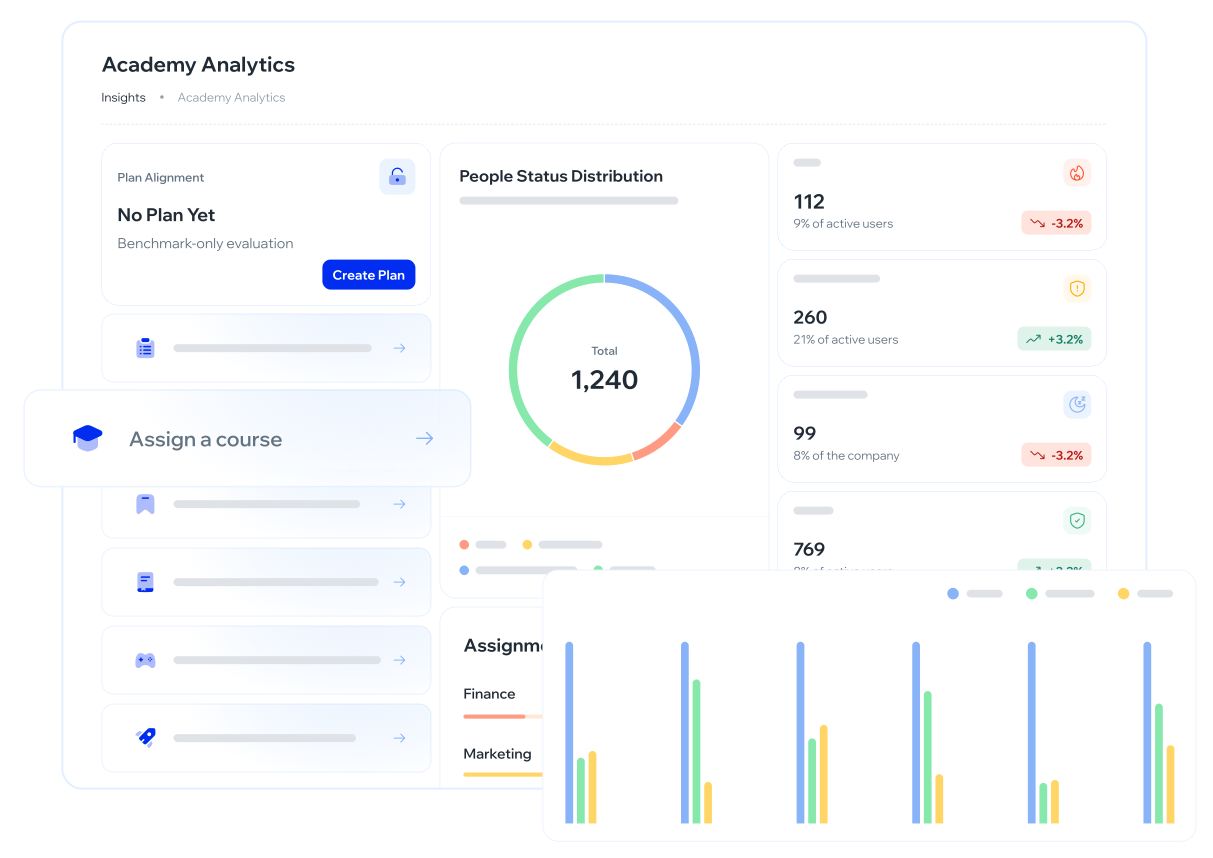
Evidence from real customers
See how organizations across the region measured and reduced human risk with Whalemate.
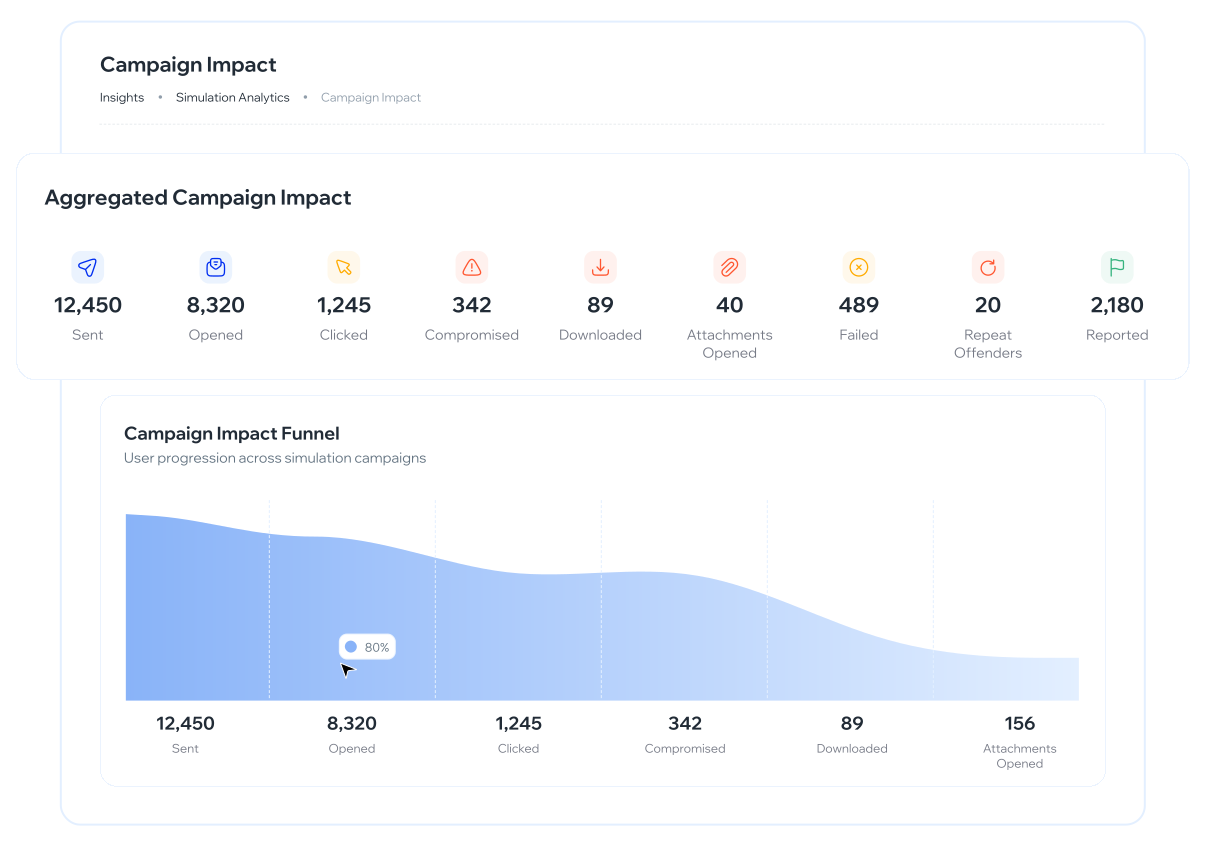
Agents, claims, and headquarters do not share a schedule or exposure
An insurer cannot train the person who settles a claim the same way as the person who sells over the phone. Human risk concentrates on whoever touches policyholder data and payments.
The typical lure mimics a claim, an adjuster, a payout, or a rushed email from an agent. Whoever settles has an incentive to open attachments. Whoever sells has a phone full of WhatsApp. Headquarters often runs on another timezone and sometimes another IdP. A corporate LMS sent the same Friday does not cover that roster. The program has to live in the directory and accept that agents and in-house staff are not the same evidence universe.
Agents, brokers, the call center, and the back office that authorizes payouts are exposed. So is whoever loads health or asset data onto the policy. Turnover in the commercial network kills the induction course in three months. If the joiner does not enter the program the day they start selling, the control is theater. People and the commercial network have to explain who is covered without a parallel spreadsheet.
The auditor and the cyber-insurance underwriter ask the same thing in different words: does a program exist, is it measured, can it be shown? ISO/IEC 27001 asks for awareness. LGPD and Ley 25.326 ask that policyholder data be handled with a control that is not just a handbook. Cyber insurance weighs a documented human-risk index more than a course certificate. Whalemate does not issue the policy or certify LGPD. It delivers evidence for those conversations.
Three attacks that already show up in real claims
The campaign has to look like the job — not like a “beware of phishing” notice.
Claims social engineering
Emails and messages that mimic filings, adjusters, shops, or document requests. The adjuster is trained to unblock the case, not to distrust the PDF. The simulation works that urgency. Reinforcement…
Phishing the agent network
The network is not in the office and does not share the same course schedule. The lure disguises itself as a commission statement, a portal, or headquarters. The program has to reach the mailbox they…
Payment fraud and policyholder data
An account change in the middle of a payout, an ID request “to update the policy.” The vector mixes social engineering with personal data. The campaign trains the second verification channel. The…
Questions about insurance
Other industries
Insurance — Security awareness and human risk
The program calibrates the same way. We'll show you in the demo.